Disclaimer: This post is for educational and informational purposes only and does not provide financial advice or investment guidance.
Introduction
Modern digital platforms designed for organizational workflows often rely on structured dashboards to simplify complex operations. The upsers platform is a representative example of such a system, demonstrating clarity, organization, and intuitive design. This post provides an educational review of the upsers interface, focusing on dashboard layout, navigation principles, and usability patterns without encouraging platform use.
The goal is to educate readers on how structured digital systems manage information and facilitate workflow comprehension.
Dashboard Components
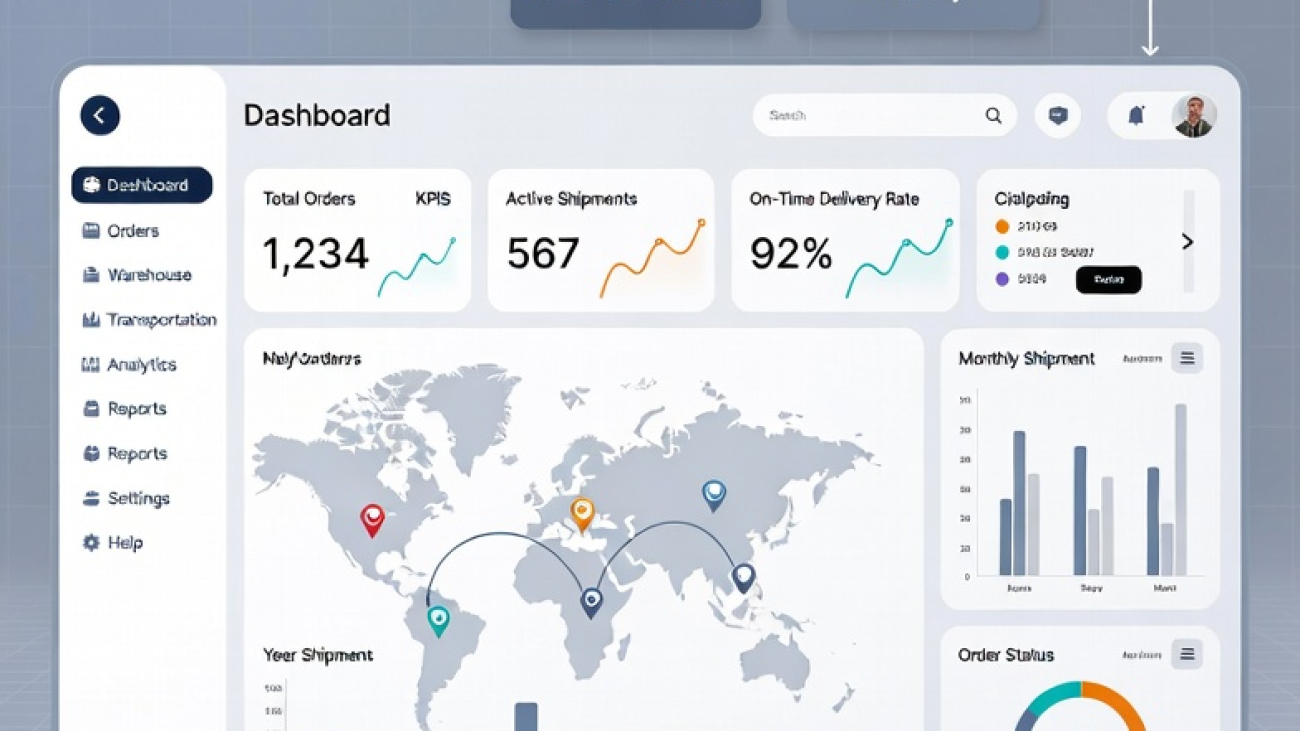
The dashboard is central to the upsers experience. Observing its design reveals key educational insights into digital platform organization:
- Primary Modules – presented as distinct cards or tiles to segment functionality visually.
- Quick Access Panels – allow rapid reference to frequently used sections.
- Alerts and Notifications – provide contextual updates while maintaining a clean interface.
By analyzing these components, users can understand general principles of interface hierarchy and information prioritization.
Navigation Patterns
upsers emphasizes predictable and structured navigation:
- Main Menu – consistently located, guiding users across sections efficiently.
- Contextual Menus and Subsections – reveal detailed options without overwhelming the user.
- Breadcrumbs and Indicators – assist in tracking user location within the platform.
From an educational perspective, these patterns illustrate best practices in digital platform design and help users understand structured navigation systems.
Interface Design Principles
Observing upsers for learning purposes highlights several professional design principles:
- Consistency – uniform typography, iconography, and colors reduce cognitive load.
- Role-Based Display – users view only relevant modules, simplifying the interface.
- Visual Hierarchy – spacing, alignment, and color differentiation emphasize functional importance.
These features are typical of well-designed digital platforms and provide a clear model for educational comparisons.
Comparison with Neutral Digital Platforms
Other neutral workflow platforms often adopt similar approaches:
- Modular dashboards for organized information flow
- Context-sensitive display for efficiency
- Predictable interaction patterns to reduce learning curves
By comparing upsers with other systems, one can see how design decisions enhance clarity, usability, and workflow comprehension.
Observational Insights
Educational analysis of upsers demonstrates several actionable observations:
- Logical Grouping of Functions – supports structured understanding of complex systems.
- Predictable Navigation – facilitates efficient movement across modules.
- Clean Layouts – visual clarity promotes comprehension of functional priorities.
These lessons are transferable to understanding any professional digital platform, particularly in organizational contexts.
Conclusion
The upsers platform offers a clear, structured example of modern dashboard and interface design in organizational digital systems. Observing its components, navigation, and layout provides educational insights without implying platform promotion. The focus remains on understanding design and usability principles.
Disclaimer: This post is for educational and informational purposes only and does not provide financial advice or investment guidance.