Disclaimer: This post is for educational and informational purposes only and does not provide financial advice or investment guidance.
Introduction
Digital platforms designed for logistics and organizational workflows can often appear complex to new users. The upsers platform serves as an informative example of a structured system intended to streamline access to organizational resources and information. This article aims to provide an educational overview of the platform, explaining navigation, interface features, and system logic in a neutral, professional manner.
The purpose of this post is to highlight general usability patterns, compare educationally to other neutral platforms, and present the structured workflow of upsers without promoting platform adoption or functionality for personal gain.
Understanding Platform Structure
At its core, upsers provides a hierarchical digital workspace, where information is segmented based on user access and operational function. Educationally, this illustrates how structured systems organize content for clarity and efficiency.
Key elements often observed in platforms like upsers include:
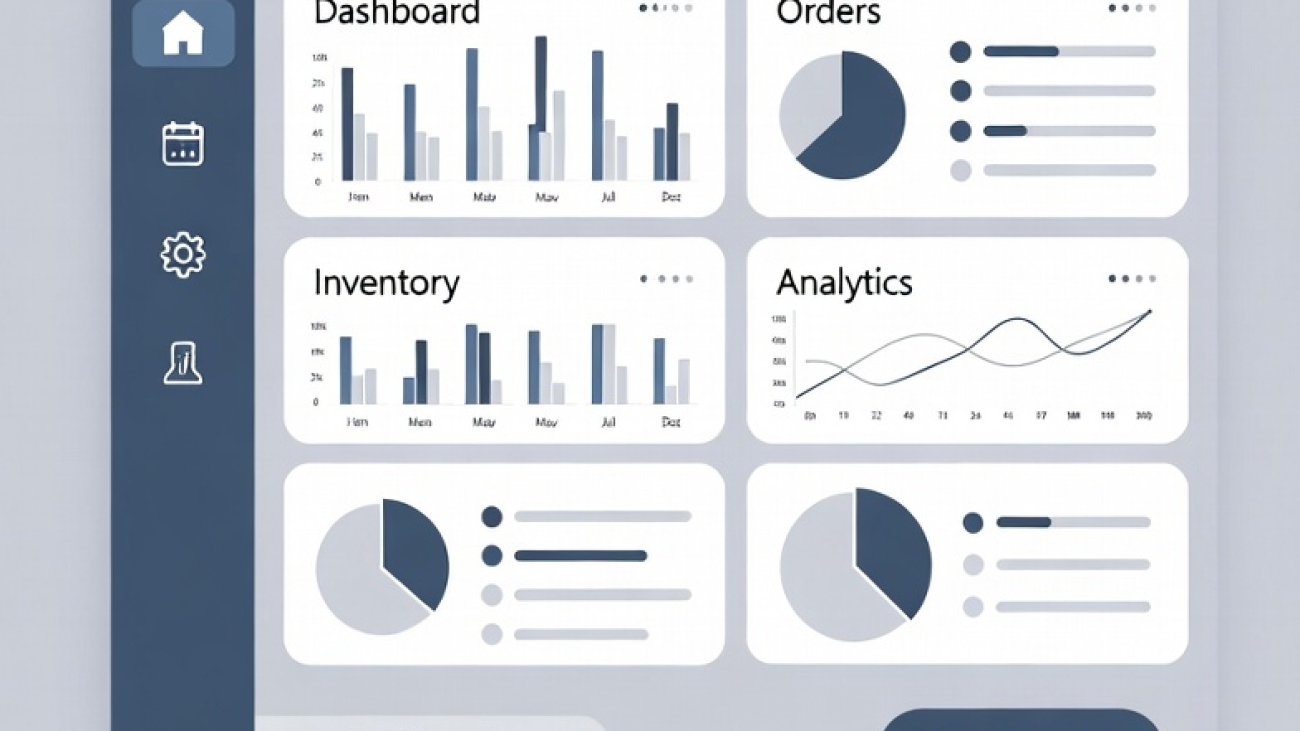
- Dashboard Overview – a central hub providing immediate insight into available modules and resources.
- Sectional Navigation – menus and tabs allow users to move between operational areas without confusion.
- Access Restrictions – visible elements are contextual, showing only relevant content to a given user role.
Comparing this with other neutral digital platforms, upsers demonstrates a balance between comprehensive information and controlled navigation, emphasizing clarity over customization.
Navigating the Dashboard
The dashboard is the first point of contact and offers a clear layout of available sections. From an educational perspective, dashboards provide insight into prioritization and usability:
- Module Tiles or Cards – represent major functional areas; their consistent design reduces learning time.
- Notifications and Alerts – provide contextual information without overwhelming the interface.
- Search and Filtering Tools – facilitate rapid access to desired content within structured sections.
By analyzing these features, one can appreciate how upsers emphasizes structured accessibility, which is a common characteristic among professional organizational platforms.
Interface Consistency and User Flow
Consistency across the platform reduces cognitive load and supports efficient task execution. Key patterns include:
- Uniform typography and color coding
- Predictable menu placement
- Stable navigational pathways
Educational comparison shows that other neutral platforms, such as generic workflow management tools, often adopt similar approaches, ensuring that repeated interactions reinforce understanding rather than create confusion.
Role-Based Display
upsers adapts content visibility according to user context, a principle common in professional systems. Role-based displays limit unnecessary exposure and simplify decision-making. Users are presented only with tools and data relevant to their responsibilities, demonstrating how digital platforms manage complexity through structured visibility.
Best Practices in Observing Platform Design
Studying upsers for educational purposes highlights several key principles:
- Clarity in Navigation – logical grouping of functions and consistent menus aid orientation.
- Visual Hierarchy – differentiating core modules from secondary information ensures usability.
- Predictable Interactions – maintaining consistent behavior across sections fosters familiarity.
Such insights are transferable to understanding other neutral platforms, illustrating general principles in interface design and workflow management.
Conclusion
upsers provides a comprehensive example of structured digital platforms used in organizational contexts. Observing its dashboard layout, navigation strategies, and interface consistency allows for an educational understanding of professional digital systems. No promotion or encouragement to use the platform is implied, keeping the focus strictly informational.
Disclaimer: This post is for educational and informational purposes only and does not provide financial advice or investment guidance.