Disclaimer: This post is for educational and informational purposes only and does not provide financial advice or investment guidance.
Introduction
Digital workflow platforms are increasingly central to organizational operations. The upser system serves as a representative example of such platforms, offering structured interfaces and tools to manage information flow. This article provides an educational overview of upser, examining navigation, interface design, and system features without promoting usage or access.
The goal is to demonstrate how structured digital environments operate, highlighting usability patterns and best practices that can be applied across similar neutral platforms.
Key Features of the Platform
Educational analysis of upser reveals several notable structural features:
- Centralized Dashboard – organizes main modules and provides immediate visibility into operational areas.
- Categorized Content – sections divide information by function or topic, promoting logical navigation.
- Search and Quick Access Tools – allow users to locate specific resources efficiently.
By observing these features, learners can understand how professional digital platforms balance information accessibility with organizational clarity.
Navigation and User Flow
The navigation structure in upser emphasizes predictability and efficiency:
- Main Navigation Panel – located consistently across pages, simplifying orientation.
- Subsections and Tabs – allow focused exploration without overwhelming the user.
- Contextual Indicators – highlight the current section, helping users track their position within the system.
Comparing upser with other neutral platforms, these navigation principles are consistent across professional digital environments.
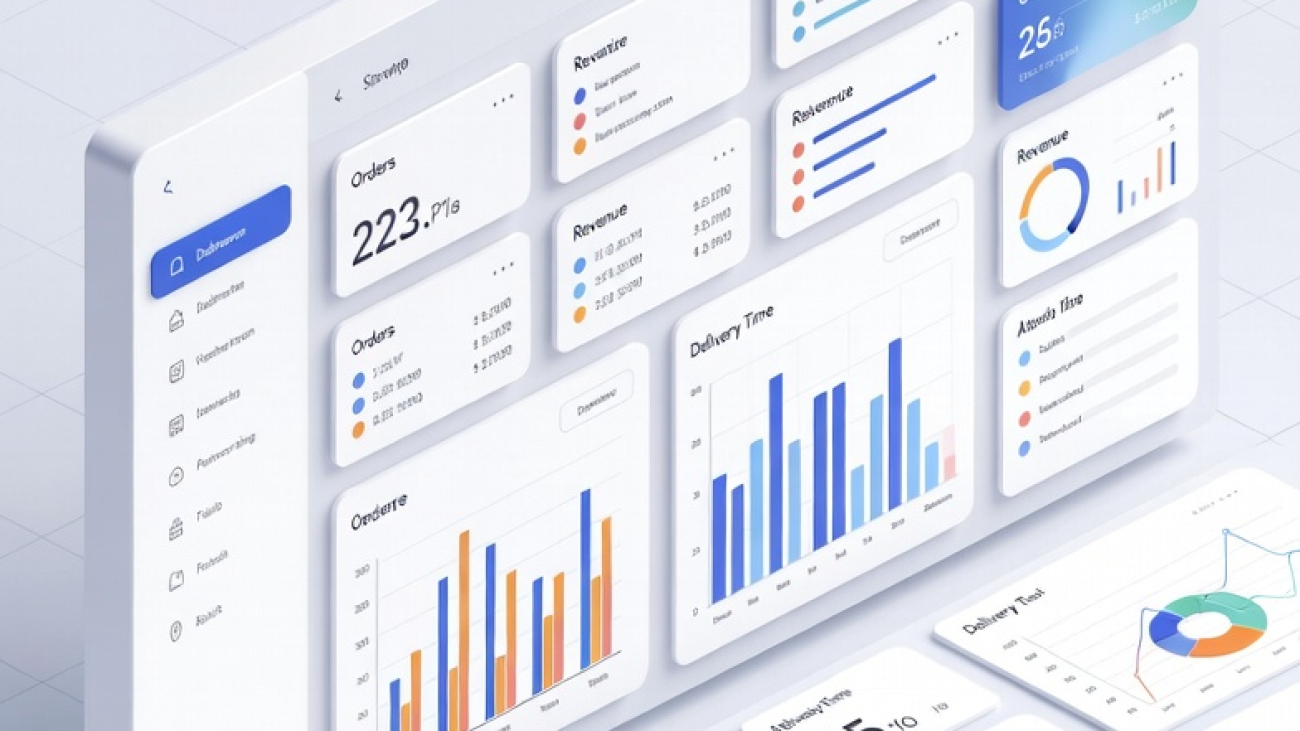
Dashboard and Visual Organization
The dashboard illustrates core principles of interface design:
- Module Grouping – key functions are displayed prominently to guide workflow understanding.
- Notification Areas – deliver concise, contextual updates that maintain awareness without distraction.
- Visual Hierarchy – use of spacing, colors, and labels reinforces module importance.
These design choices enhance comprehension of platform architecture and provide an educational case study in structured digital systems.
Role-Based and Contextual Views
upser applies role-specific content display, which is a common practice in educational and operational platforms:
- Tailored Modules – users see only relevant sections, reducing complexity.
- Context-Sensitive Tools – features adapt to the selected workflow context, supporting learning through example.
- Consistent Interaction Patterns – uniform behavior across modules reinforces predictability.
These features demonstrate how digital platforms manage information complexity through user-centric design.
Observational Insights
Studying upser provides several generalizable lessons:
- Logical Grouping of Functions – improves comprehension and usability.
- Clear Navigation Indicators – prevent confusion in multi-layered platforms.
- Structured Visual Presentation – reduces cognitive load and supports workflow understanding.
Educational insights gained from upser can be applied when evaluating other neutral systems, illustrating universal principles in digital platform design.
Conclusion
The upser platform provides a structured, educational example of professional digital systems. Observing its dashboards, navigation patterns, and interface organization offers insights into efficient digital workflow management. This post is strictly informational and does not encourage platform use.
Disclaimer: This post is for educational and informational purposes only and does not provide financial advice or investment guidance.